
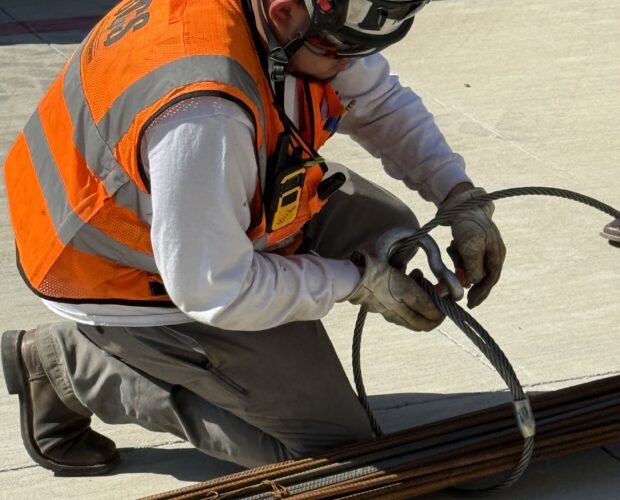
On a recent hot November Friday, CSP and Safety Consultant Patrick J. Walsh conducted Rigger/Signaler qualification training for a group of 12 BCS employees. Walsh has been part of the BCS Safety Team for all the 20 years BCS has been in existence as a company. Rigger/Signaler training starts in the classroom and concentrates on […]
Continue Reading-
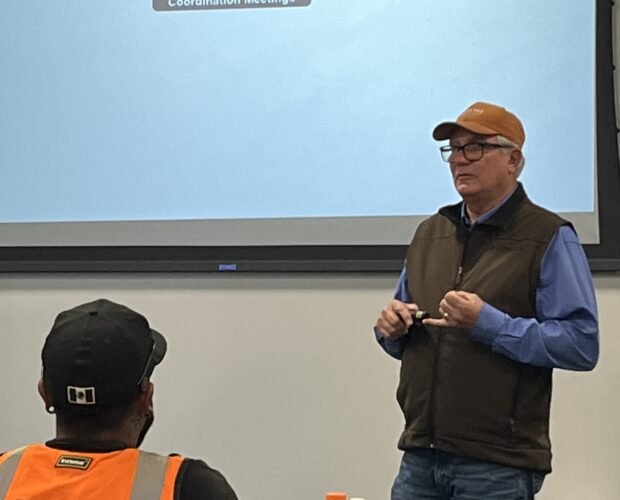 Emerging Leaders Learn about Client Expectations
BCS’s Emerging Leaders Program selects about a dozen candidates to participate in a year long leadership development program. This program in it’s fourth year includes monthly presentations from clients, trade partners and BCS leaders. The program is designed to show career path options within BCS for employees who have been identified by their supervisors and […]
Continue Reading -
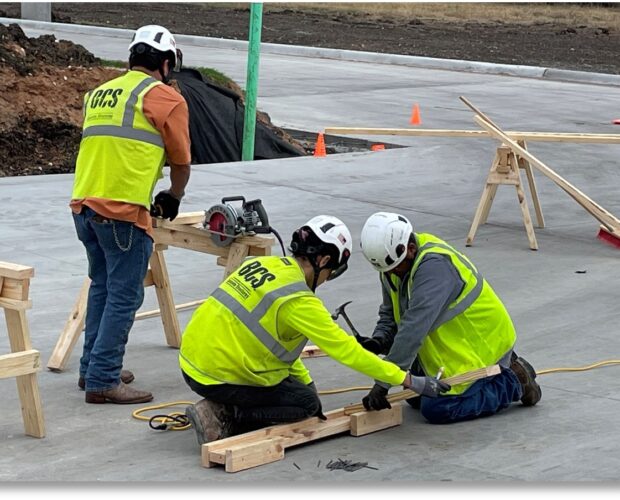 Trainers Prepare for 5th Annual BCS Safety Rodeo on December 12
Recently trainers/vendors and BCS field leaders met to discuss the training stations for the BCS 5th Annual Safety Rodeo at their office in Mustang Ridge on December 12 at 7 a.m. The event celebrates the BCS “Best In Class” Safety Culture and dedicates a day to focus on combining Operational Issues and Safety to address […]
Continue Reading -
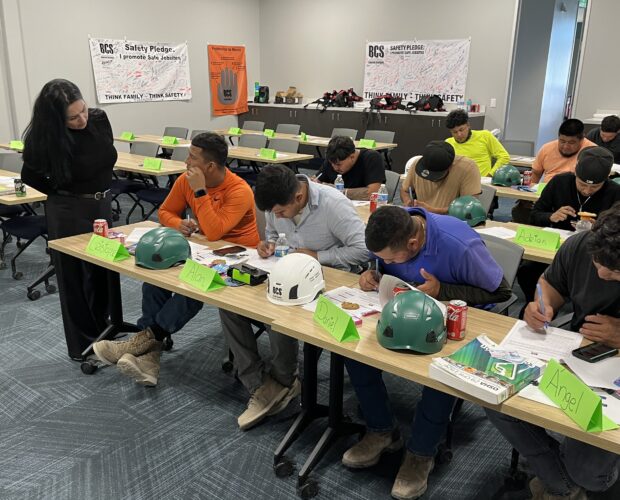 BCS New Hires Receive OSHA Safety Training and Fall Protection Training
Recently BCS needed to increase its field workforce by more than 10 percent to meet the manpower needs of several new jobs that have recently started. New workers complete their paperwork and are introduced to the BCS “Best In Class” safety culture. This starts with a safety video created in-house and features BCS employees, both […]
Continue Reading -
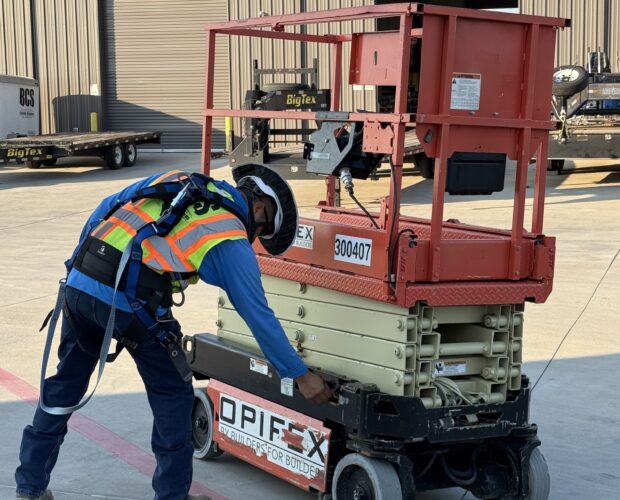 BCS Trains Scissor Lift Operators
Ongoing operator training is part of the BCS “Best in Class” Safety Program. Recently several classes were provided for groups working on the LBJ Early College High School project due to project requirements. The training consists of a classroom presentation, written test, hands-on practice and skills testing session. The classroom portion focuses on key information […]
Continue Reading -
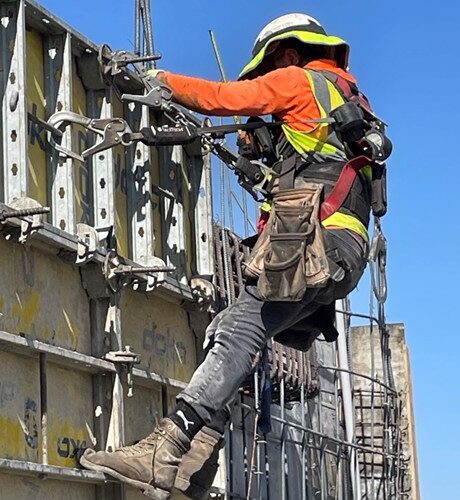 OSHA Makes Proper-Fitting PPE in Construction Mandatory
The US Occupational Safety and Health Administration (OSHA) has taken a pivotal step forward in construction safety by mandating that all PPE (Personal Protective Equipment) must properly fit workers. This new requirement fills a critical gap in worker safety regulations, holding employers accountable for ensuring that PPE fits appropriately to provide effective protection. This rule introduces new […]
Continue Reading -
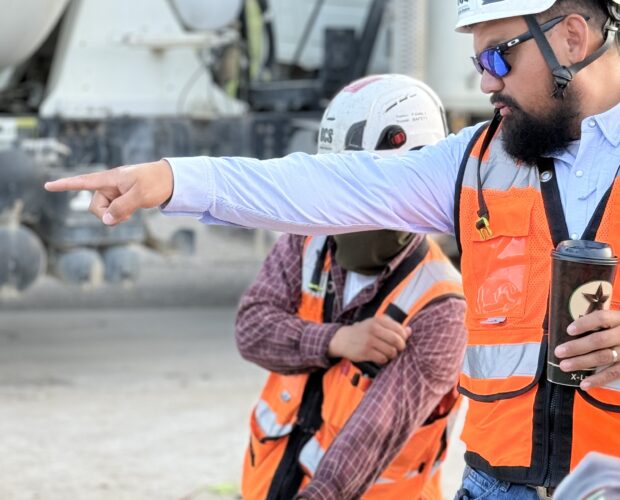 BCS Celebrates 2 Years Without an OSHA Recordable Incident!
A Safety culture exists in any construction company whether an organization proactively manages it or not. Many construction companies struggle with the apparent dichotomy between safety and production as if at times only one of them at a time is achievable. At BCS, we believe that safety and operations are symbiotic, in other words, they […]
Continue Reading -
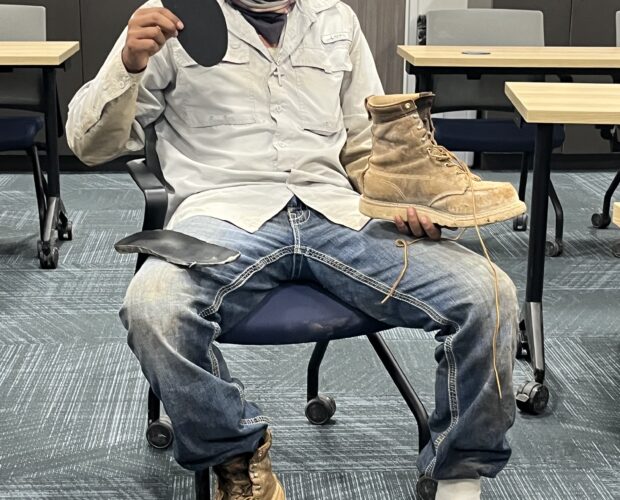 BCS Employees Receive Protective Boot Inserts to Avoid Foot Injuries From Nails
As part of the BCS on going Best in Class Safety Program, effective immediately, all BCS Employees in both the Austin and San Antonio offices will be receiving puncture resistant composite boot inserts. According to OSHA’s CFR 1910.136 (a) The employer shall ensure that each affected employee uses protective footwear when working in areas where […]
Continue Reading -
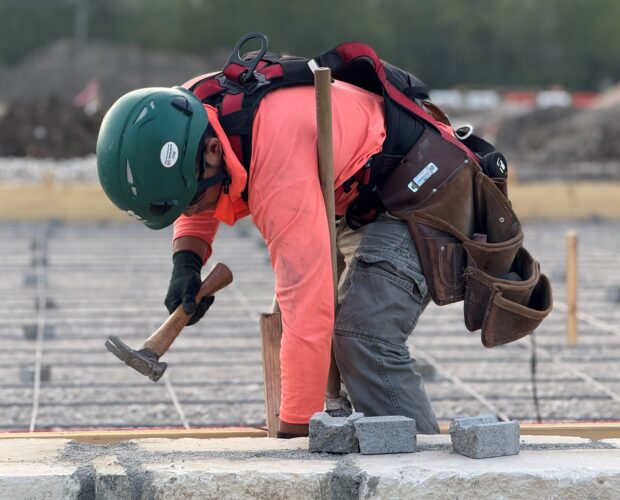 Why is the BCS Safety Culture “Best in Class”?
Our BCS Safety Culture is more than just developing new policies and procedures and creating new training programs. It is more than complying with OSHA rules and hiring more safety professionals. The BCS Safety culture is how every worker on every BCS job site does their job to prevent accidents. We like to think that […]
Continue Reading -
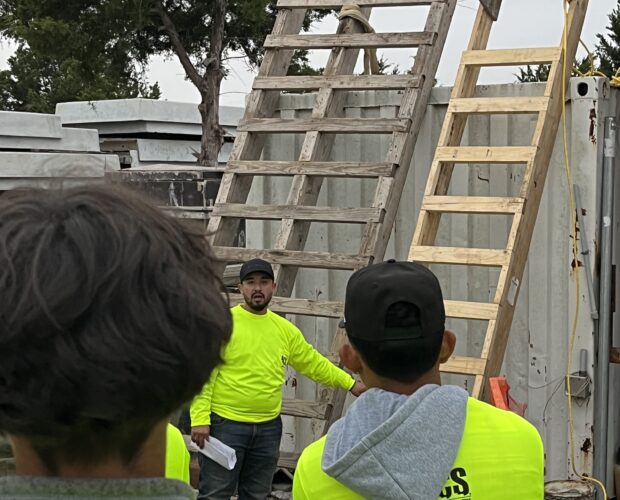 BCS Site Safety Manager Jonathan Cardoza is Recognized by Rogers O’Brien
On June 17, Jonathan Cardoza was recognized by Rogers O’Brien for keeping the LBJ High School Expansion project jobsite safe. Cardoza was commended for being an essential team player and his proactive approach to safety and hazard recognition. According to Cristian Jaramillo, Rogers O’Brien, “Jonathan not only helps to keep BCS workers safe and in […]
Continue Reading